

Choosing the right mattress can change how well you sleep every night. You might be stuck deciding between a memory foam mattress and a spring mattress.
Each feels different and offers unique benefits, but which one is truly best for your comfort and support? By the time you finish reading, you’ll know exactly what to look for so you can make the best choice for your body and your budget.
Ready to discover which mattress will give you the restful nights you deserve? Let’s dive in.
Memory Foam Mattress Basics
Memory foam mattresses offer a unique sleeping experience. They adapt to your body shape and provide good support. Many people choose these mattresses for comfort and pressure relief. Understanding their basics helps you decide if they suit your needs.
Material Composition
Memory foam is made from polyurethane with added chemicals. These chemicals increase its density and viscosity. The foam reacts to body heat and pressure. This reaction allows it to mold around your body. The mattress slowly returns to its original shape when you move.
Comfort And Support
Memory foam evenly distributes your body weight. It reduces pressure points on hips and shoulders. This helps with pain relief and a better night’s sleep. The foam supports your spine’s natural curve. It limits motion transfer, so movements don’t disturb your partner.
Durability And Lifespan
Memory foam mattresses last longer than many traditional options. High-density foam tends to be more durable. Regular care, like rotating the mattress, extends its life. Expect a lifespan of about 7 to 10 years. The foam may soften or lose shape after long use.

Credit: www.sleepare.com
Spring Mattress Essentials
Spring mattresses have been popular for many years. They use metal coils to support the body. These mattresses offer different feels and support levels. Understanding the basics helps you choose the right one for you.
Spring mattresses come in many types. Each type affects comfort and durability. Knowing these differences helps in making a smart choice.
Types Of Springs
There are several types of springs used in mattresses. Bonnell springs are hourglass-shaped and common in older models. They provide good support but less motion isolation. Pocket springs are wrapped individually. They move independently, reducing motion transfer. Offset springs are similar to Bonnell but shaped to contour the body better. Continuous coil springs use one wire bent into many coils. They are strong but less flexible.
Firmness And Bounce
Spring mattresses tend to have a bouncy feel. The firmness depends on the coil type and count. More coils usually mean firmer support. The coil gauge also affects firmness; thinner coils are softer. Springs respond quickly to movement, which some sleepers prefer. People who like to feel more on top of the mattress often choose spring models.
Longevity And Wear
Spring mattresses can last many years with proper care. High-quality coils resist sagging and deformation longer. Over time, cheaper coils may lose shape and comfort. The mattress cover and padding also affect durability. Regular rotation helps maintain even wear. Signs of wear include sagging and noise from the springs. Investing in a good spring mattress means it will stay supportive longer.
Comfort Comparison
Comfort plays a key role when choosing between memory foam and spring mattresses. Both offer different experiences for your body and sleep quality. Understanding how they feel can help you pick the right mattress for your needs.
Pressure Relief
Memory foam molds to your body shape. It spreads your weight evenly and reduces pressure points. This helps ease pain in shoulders, hips, and back. Spring mattresses have coils that provide support but may not relieve pressure as well. They can cause pressure spots for some sleepers.
Motion Isolation
Memory foam absorbs movement well. It prevents motion from traveling across the bed. This means less disturbance when your partner moves. Spring mattresses tend to transfer motion more. The coils can make the whole bed shake, which may wake you up.
Temperature Regulation
Spring mattresses allow more air to flow through. This helps keep you cooler during the night. Memory foam can trap heat because it is dense. Some foam mattresses have cooling technology, but many feel warmer. People who sleep hot might prefer the breathability of springs.

Credit: www.turmerry.com
Health And Sleep Quality
Choosing the right mattress affects health and sleep quality. A mattress supports the body and impacts rest. Different mattress types offer unique benefits and challenges. Understanding these helps pick the best option for a good night’s sleep.
Spinal Alignment
Memory foam molds to the body’s shape. It supports natural spine curves. This reduces pressure points and back pain. Spring mattresses provide firmer support. They may not adapt to body curves well. Poor alignment can cause discomfort and stiffness.
Allergy Considerations
Memory foam resists dust mites and allergens. It suits people with allergies. Spring mattresses have spaces where dust can gather. This may trigger allergies or asthma. Cleaning is easier with memory foam. Allergy sufferers often prefer memory foam mattresses.
Breathability
Spring mattresses allow air to flow freely. They stay cooler during warm nights. Memory foam traps heat inside. This can cause sweating and discomfort. New memory foam designs improve airflow. Still, spring mattresses generally offer better breathability.
Maintenance And Care
Maintaining a mattress properly helps it last longer and feel comfortable. Memory foam and spring mattresses need different care. Knowing how to clean and handle common problems keeps your mattress fresh and supportive. Checking warranty details helps protect your investment.
Cleaning Tips
Vacuum your mattress regularly to remove dust and dirt. Use a soft brush attachment for gentle cleaning. Spot clean stains quickly with mild soap and water. Avoid soaking the mattress, especially memory foam, to prevent damage. Let the mattress air dry completely before putting sheets back on.
Common Issues
Memory foam can develop body impressions over time. Rotate the mattress to reduce uneven wear. Spring mattresses may sag or have broken coils. Flipping the mattress can help maintain its shape. Both types can collect dust mites without regular cleaning. Use mattress protectors to reduce allergens and spills.
Warranty And Guarantees
Check the warranty length before buying a mattress. Memory foam mattresses often have 10-year warranties. Spring mattresses may offer 5 to 10 years coverage. Understand what the warranty covers, such as sagging or defects. Keep your receipt and follow care instructions to keep warranty valid.
Cost And Value
Choosing between a memory foam mattress and a spring mattress often comes down to cost and value. Understanding the price differences helps you make a smart choice. Both types offer unique benefits, but their costs vary widely.
Initial Price Range
Memory foam mattresses usually cost more upfront. The materials and technology make them pricier. Spring mattresses often have a lower starting price. They use coils and simpler materials. This makes them easier on your wallet at first.
Long-term Investment
Memory foam mattresses tend to last longer. They resist sagging and maintain comfort over time. This durability can save money in the long run. Spring mattresses may wear out faster. They can lose support and comfort sooner. Replacing a mattress more often adds to costs.
Budget-friendly Options
Both types offer budget options. Basic memory foam mattresses come at lower prices now. Entry-level spring mattresses remain affordable and common. Checking for sales and discounts helps find a good deal. Balance your budget with quality for best value.
Choosing The Right Mattress
Choosing the right mattress is important for a good night’s sleep. Your mattress affects your comfort and health. The decision between memory foam and spring mattresses depends on many factors. Consider your lifestyle, how you sleep, and return policies. These points help you pick the best mattress for you.
Lifestyle Factors
Your daily habits affect mattress choice. If you move a lot during sleep, a spring mattress may suit you. Memory foam is better for those who stay still. People with allergies might prefer memory foam because it resists dust mites. Those who sleep hot could find spring mattresses cooler. Think about your needs and routines to choose well.
Sleeping Positions
How you sleep changes mattress comfort. Side sleepers need good pressure relief. Memory foam molds to the body, easing pressure points. Back sleepers need firm support, found in some spring mattresses. Stomach sleepers may prefer a firmer mattress to keep the spine straight. Match your mattress to your sleeping style for better rest.
Trial Periods And Returns
Many companies offer trial periods for mattresses. This lets you test comfort at home. A trial period helps you decide without risk. Check if you can return the mattress easily if it feels wrong. Good return policies give peace of mind. Always read the terms before buying to avoid surprises.
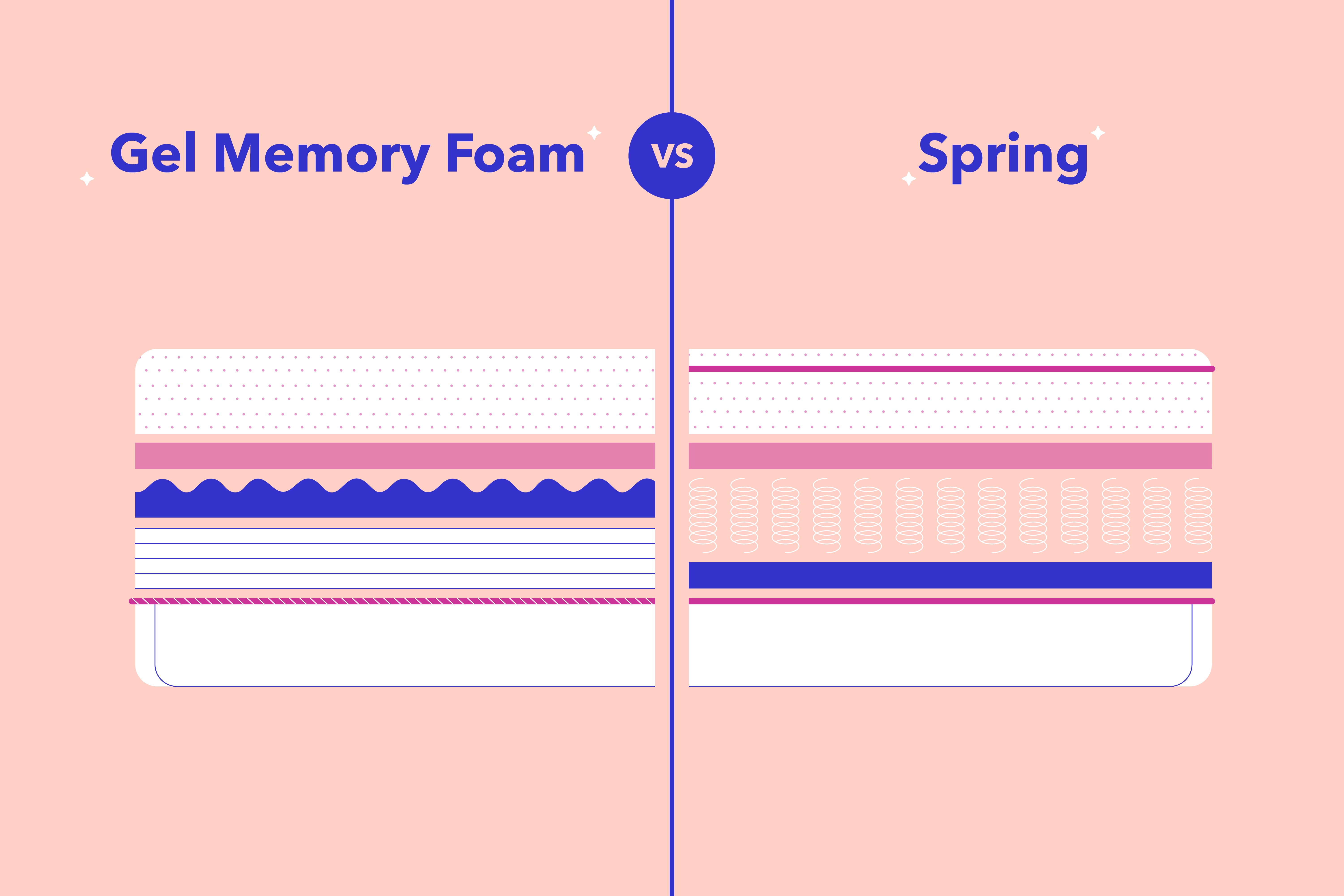
Credit: eachnight.com
Frequently Asked Questions
What Are The Main Differences Between Memory Foam And Spring Mattresses?
Memory foam mattresses contour to your body, offering pressure relief. Spring mattresses use coils for support and bounce. Memory foam absorbs motion, while spring mattresses provide more airflow. Your choice depends on comfort preferences and sleep needs.
Which Mattress Type Offers Better Motion Isolation?
Memory foam mattresses excel at motion isolation by absorbing movement. This reduces disturbances from a partner’s tossing and turning. Spring mattresses transfer more motion due to their coil system. Memory foam is ideal for light sleepers sharing a bed.
Are Memory Foam Mattresses Better For Back Pain?
Yes, memory foam mattresses provide better support by contouring to the spine. They help maintain proper alignment and relieve pressure points. Spring mattresses may lack consistent support, causing discomfort. Many back pain sufferers prefer memory foam for improved comfort.
How Long Do Memory Foam And Spring Mattresses Last?
Memory foam mattresses typically last 7 to 10 years with proper care. Spring mattresses usually last 5 to 8 years before sagging or coil wear. Durability depends on mattress quality, usage, and maintenance habits.
Conclusion
Choosing between memory foam and spring mattresses depends on your needs. Memory foam offers good support and molds to your body. Spring mattresses provide a bouncier feel and better airflow. Both types have pros and cons. Think about comfort, budget, and sleeping style.
Try to test each mattress before buying. This helps find the best fit for you. Sleep well and enjoy your rest every night.
