


You wake up exhausted, even after a full night’s sleep. Your energy levels dip throughout the day, leaving you reaching for that extra cup of coffee.
Sound familiar? You’re not alone. Many people feel constantly drained, and it might not just be your busy schedule that’s to blame. What if anxiety is the hidden culprit behind your relentless fatigue? This common yet often overlooked connection could be the key to reclaiming your energy.
We’ll explore how anxiety might be zapping your vitality and what you can do to break free from the cycle of exhaustion. Ready to uncover the truth and feel more energized? Let’s dive in!

Credit: www.healthline.com
Link Between Anxiety And Fatigue
Feeling tired all the time can be frustrating. Many wonder why fatigue lingers despite enough sleep. Anxiety may be the hidden culprit. Anxiety is more than just feeling nervous. It can drain energy and impact daily life. Understanding the link between anxiety and fatigue is crucial.
Understanding Anxiety And Its Effects
Anxiety triggers a constant state of alertness. The body stays on high alert. This consumes energy rapidly. Over time, it leads to exhaustion. The mind races, and relaxation becomes difficult.
Physical Symptoms Of Anxiety
Anxiety doesn’t just affect the mind. It impacts the body too. Muscle tension and headaches are common. These physical symptoms contribute to fatigue. The body struggles to rest while tense.
Sleep Disturbances
Anxiety often disrupts sleep. Falling asleep becomes a challenge. Staying asleep is even harder. Waking up frequently is common. This leads to poor sleep quality. Fatigue builds up day after day.
Emotional Drain
Anxiety can be emotionally draining. Constant worry wears down mental strength. The mind feels tired even after rest. Emotional fatigue often turns into physical exhaustion.
Managing Anxiety To Reduce Fatigue
Managing anxiety can help reduce fatigue. Relaxation techniques offer relief. Breathing exercises calm the mind. Regular physical activity boosts energy levels. Seeking professional help is beneficial.

Credit: www.healthline.com
Symptoms Of Anxiety-related Tiredness
Anxiety can be a silent thief, robbing you of energy and leaving you feeling perpetually tired. If you often find yourself yawning throughout the day despite getting enough sleep, anxiety might be the culprit. Understanding the symptoms of anxiety-related tiredness can help you identify and address the root of your fatigue.
Physical Exhaustion
When anxiety strikes, your body can feel like it’s been running a marathon. Your muscles might ache, and simple tasks can leave you drained. Imagine waking up feeling as though you never slept; that’s the reality for many dealing with anxiety. This exhaustion can be a result of your body being in a constant state of alertness, ready to respond to perceived threats.
Consider your daily routine: do you often feel sluggish or find yourself needing frequent breaks? These can be signs of physical exhaustion linked to anxiety. A helpful tip is to monitor your energy levels throughout the day. Are there specific times when you feel more depleted? Keeping a journal might reveal patterns that can guide you toward effective solutions.
Mental Drain
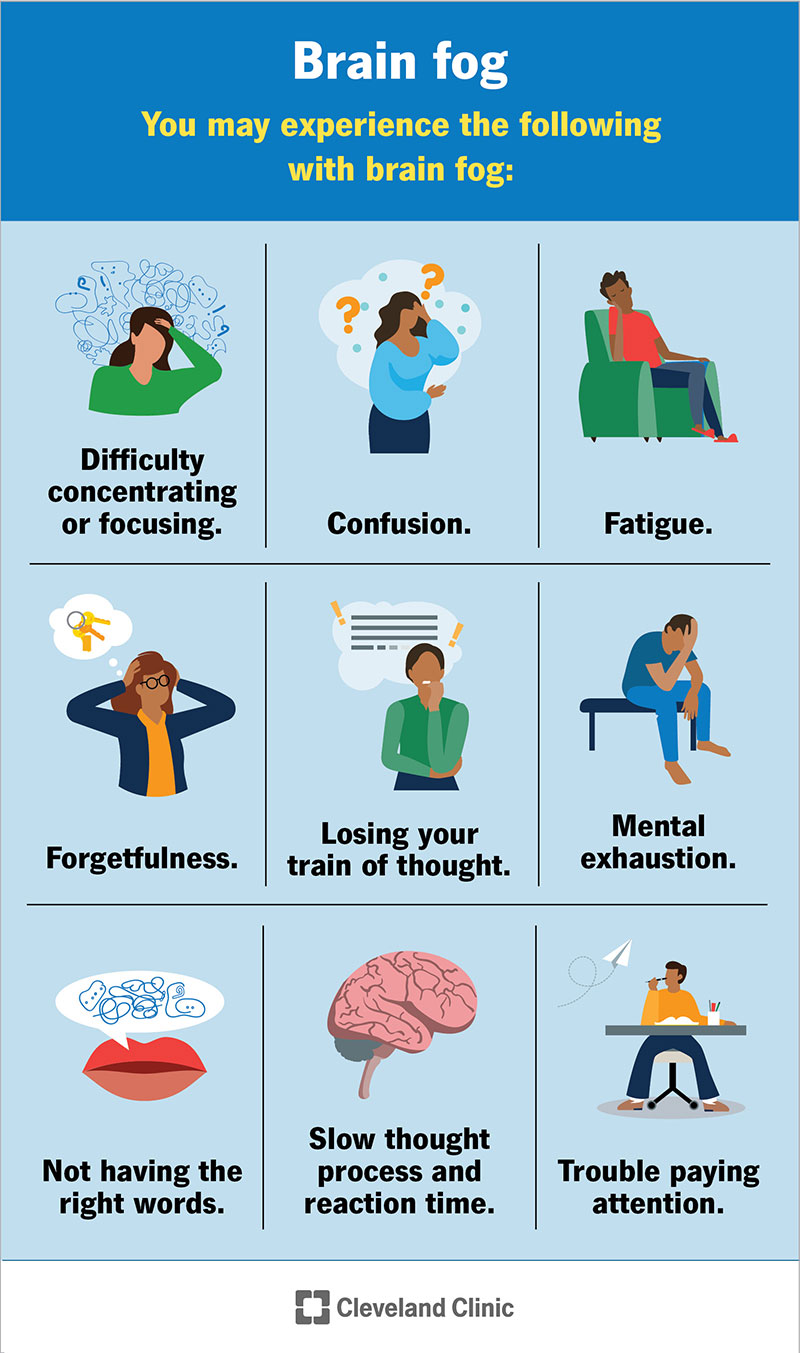
Anxiety doesn’t just tire your body; it exhausts your mind. You might struggle to focus, with thoughts racing endlessly, leaving you mentally fatigued. Ever found yourself staring blankly at a task, unable to muster the mental energy to complete it? This is the mental drain that anxiety can cause.
The constant worry can make decision-making feel like climbing a mountain. Have you ever felt overwhelmed by simple choices, like what to eat for dinner? It’s not just indecisiveness; it’s mental exhaustion. To combat this, try setting small, manageable goals. Accomplishing minor tasks can boost your morale and gradually restore your mental energy.
Ask yourself: is anxiety holding your energy hostage? By recognizing these symptoms, you can start reclaiming your vitality. What are some steps you can take today to ease the grip anxiety has on your life? It might be time to prioritize self-care and seek strategies that renew your spirit.
Mechanisms Behind Anxiety-induced Fatigue
Anxiety is not just a mental struggle; it affects the body too. Many people find themselves constantly tired, and anxiety might be the hidden reason. Understanding the mechanisms behind this fatigue can help in managing it better. Anxiety can lead to hormonal imbalances and sleep disruptions. Both of these contribute to feeling tired all the time.
Hormonal Imbalances
Anxiety triggers hormonal changes in the body. Cortisol, the stress hormone, may stay elevated. High cortisol levels can sap your energy. They also disrupt your body’s natural rhythm. This imbalance makes it hard to feel rested. Your body’s energy reserves get depleted quickly.
Sleep Disruptions
Anxiety often leads to trouble sleeping. Racing thoughts keep you awake at night. Sleep quality suffers, even if you manage to fall asleep. You might wake up several times during the night. This fragmented sleep leaves you feeling exhausted. Without proper rest, the body doesn’t recharge. The cycle of anxiety and fatigue continues.
Impact Of Chronic Stress On Energy Levels
Chronic stress can drain energy levels, leaving you exhausted daily. Anxiety might be the hidden culprit behind constant fatigue. Persistent worry disrupts sleep patterns, making restful nights difficult and increasing daytime weariness.
Chronic stress is like an uninvited guest that overstays its welcome, draining your energy and leaving you feeling perpetually exhausted. This relentless stress response can wreak havoc on your body, making you wonder if anxiety is the real culprit behind your constant fatigue. Understanding the impact of chronic stress on your energy levels might just be the key to unlocking a more vibrant and energized life.The Vicious Cycle Of Stress And Fatigue
When stress becomes chronic, your body stays in a constant state of alertness. This continuous fight-or-flight mode can deplete your energy reserves quickly. Imagine running a marathon without a finish line—your body is constantly spending energy without getting a chance to refuel.How Stress Affects Your Sleep
Anxiety and stress often lead to restless nights. As you lie in bed, your mind races, replaying the day’s events or worrying about tomorrow. This lack of quality sleep can leave you feeling groggy and tired, making it hard to face the day with enthusiasm.Stress Hormones And Their Role
Stress triggers the release of hormones like cortisol and adrenaline. While these hormones are helpful in short bursts, continuous production can wear your body down. Over time, this hormonal imbalance can contribute to feelings of fatigue and even burnout.Impact On Your Immune System
Chronic stress can weaken your immune system, making you more susceptible to illnesses. Feeling run down and getting frequent colds can further drain your energy. You might notice that you’re not bouncing back from minor illnesses as quickly as you used to.Practical Steps To Combat Stress-induced Fatigue
Taking control of your stress can help restore your energy levels. Consider establishing a regular exercise routine, which can improve sleep and reduce stress. Also, try mindfulness practices like meditation or yoga to calm your mind.Are You Recognizing The Signs?
It’s important to acknowledge when stress is taking a toll on your energy. Do you often feel drained even after a full night’s sleep? Recognizing these signs can be the first step towards finding solutions. When you understand the impact of chronic stress on your energy, you empower yourself to make changes. By addressing the root cause, you can break free from the cycle of anxiety and fatigue. What’s one small step you can take today to start managing your stress better?Lifestyle Factors Exacerbating Fatigue
Feeling tired is a common complaint. It can be more than just lack of sleep. Lifestyle factors often play a significant role in causing fatigue. Anxiety can amplify these factors. Understanding how daily habits affect energy levels is crucial.
Diet And Nutrition
What you eat impacts your energy. Junk food can drain your vitality. Foods high in sugar lead to energy crashes. Processed foods lack essential nutrients. A balanced diet is key. Include fresh fruits and vegetables. Whole grains provide sustained energy. Protein keeps you alert. Hydration is vital. Dehydration causes fatigue.
Exercise And Activity
Exercise boosts energy levels. Lack of physical activity leads to tiredness. Regular movement is essential. It improves mood and reduces anxiety. Simple activities make a difference. Walking, stretching, or yoga are beneficial. They increase blood flow and oxygen. This results in more energy. Staying active helps fight fatigue.
Coping Strategies For Managing Anxiety
Feeling tired all the time can be linked to anxiety. Anxiety drains energy. It keeps the mind busy, even when you want to rest. The constant worry and stress can leave you feeling exhausted. Understanding how to manage anxiety can help you regain energy. This section explores coping strategies for managing anxiety.
Mindfulness Practices
Mindfulness involves being present in the moment. It helps in calming the mind. Simple practices like deep breathing can reduce stress. Try focusing on your breath. Count each inhale and exhale. Doing this for a few minutes can bring peace.
Another practice is body scanning. Close your eyes. Pay attention to each part of your body. Notice any tension and release it. This helps in relaxing the body and mind.
Therapeutic Interventions
Talking to a therapist can provide support. Therapy offers a safe space to express feelings. Cognitive-behavioral therapy (CBT) is popular. It helps in changing negative thought patterns. CBT teaches you to challenge anxious thoughts. It helps in developing healthier responses.
Medication may also be an option. A healthcare provider can suggest suitable medications. These can help in managing anxiety symptoms. Always consult a professional before starting any medication.
Boosting Energy While Managing Anxiety
Feeling tired all the time can be frustrating. Anxiety might be the cause. This condition drains both energy and motivation. Many people struggle with it daily. But there are ways to manage anxiety and boost energy. It’s about creating balance in your life. A few changes can make a big difference.
Healthy Sleep Hygiene
Getting good sleep is crucial. Create a calming bedtime routine. Make your bedroom a peaceful place. Limit screen time before bed. Try reading or meditation instead. Keep a consistent sleep schedule. Go to bed and wake up at the same time. This helps set your body’s internal clock. Avoid caffeine and heavy meals before bedtime. These can disrupt your sleep cycle. Ensure your room is dark and cool. This environment promotes better sleep.
Balanced Routine
Balance is key to managing anxiety. Start by planning your day. Include time for work, rest, and play. Physical activity can boost energy levels. Even a short walk can help. Eat a balanced diet. Include fruits, vegetables, and whole grains. These provide necessary nutrients. Stay hydrated throughout the day. Water is essential for energy. Practice mindfulness or meditation. This helps reduce stress and anxiety. Spend time with friends or loved ones. Social support is important. Make time for hobbies and relaxation. This helps recharge your mind and body.
Credit: my.clevelandclinic.org
Frequently Asked Questions
Can Anxiety Cause Constant Fatigue?
Yes, anxiety can lead to ongoing fatigue. It disrupts sleep, increases stress hormones, and drains mental energy, making you feel tired. Addressing anxiety through therapy, lifestyle changes, and relaxation techniques can help reduce fatigue and improve overall well-being.
How Does Anxiety Affect Sleep Quality?
Anxiety often disturbs sleep quality by causing insomnia and restlessness. Racing thoughts and physical tension make it hard to relax. This results in reduced sleep quality, leading to exhaustion. Practicing mindfulness and creating a calming bedtime routine can enhance sleep quality.
Why Does Anxiety Make You Feel Exhausted?
Anxiety triggers a stress response that depletes energy. Constant worry and tension strain your body and mind, causing exhaustion. Managing anxiety through exercise, therapy, and stress-reduction techniques can alleviate this exhaustion, improving daily energy levels and overall health.
Are Anxiety And Tiredness Linked?
Yes, anxiety and tiredness are closely linked. Anxiety can cause physical and mental fatigue, disrupting daily activities. Understanding this connection helps in managing symptoms effectively. Incorporating stress-relief strategies into your routine can mitigate tiredness caused by anxiety.
Conclusion
Feeling tired all the time? Anxiety might be the hidden cause. It drains energy and disrupts sleep. Managing stress can restore your vitality. Simple changes can help, like exercise and relaxation techniques. Healthy habits improve both mood and energy levels.
Sleep better, feel more awake. Talk to someone if anxiety feels overwhelming. Professional support can offer guidance and relief. Remember, you deserve to feel energized. Addressing anxiety is a step towards a more active life. Start today, and reclaim your energy.
You’re not alone in this journey.
