


Do you often find yourself tossing and turning at night, wondering why restful sleep seems so elusive? You’re not alone.
Stress is a sneaky saboteur that can physically block your path to deep sleep, leaving you feeling drained and irritable. Imagine waking up each morning feeling refreshed, your mind sharp and your energy levels restored. That’s the power of deep sleep—an essential reset for your body and mind.
But stress can build barriers that prevent you from experiencing this natural rejuvenation. Understanding how stress impacts your sleep can be the first step towards reclaiming those peaceful nights. Keep reading to discover how stress interferes with your sleep and what you can do to break the cycle, so you can finally enjoy the restful nights you deserve.
Credit: www.sportsinjurybulletin.com
The Science Of Stress And Sleep
Understanding how stress impacts sleep is crucial for improving health. Stress triggers physical and chemical changes in the body. These changes can disrupt the natural sleep cycle. Sleep experts often explore the complex relationship between stress and sleep. The science behind this relationship provides insights for managing stress effectively.
The Role Of Cortisol In Sleep
Cortisol is a hormone released during stress. High cortisol levels can disturb sleep patterns. It keeps the body alert, making it hard to relax. This hormone can interfere with the body’s ability to enter deep sleep stages.
Fight-or-flight Response
The body reacts to stress with a fight-or-flight response. This response increases heart rate and adrenaline levels. Such changes make it difficult to fall asleep. The body stays on high alert, preventing restful sleep.
Stress-induced Insomnia
Insomnia often results from stress. People with stress find it hard to sleep. Stressful thoughts can keep the mind active at night. This mental activity blocks the transition to deep sleep.
Impact On Sleep Cycles
Stress can alter normal sleep cycles. It can shorten the duration of deep sleep stages. People might wake up frequently during the night. Sleep cycles become fragmented and less restorative.
Physical Symptoms Affecting Sleep
Stress can cause physical symptoms like headaches or muscle tension. These symptoms can interfere with comfort during sleep. Physical discomfort makes it hard to maintain deep sleep.

Credit: www.instagram.com
Stress Hormones And Their Impact
Stress is like a thief. It steals your peace and sleep. When stress hormones flood your body, they upset your sleep cycle. Stress hormones are chemicals that your body releases when you feel threatened. They prepare you to fight or flee. This response can keep you awake at night. Understanding these hormones can help you manage stress better.
Role Of Cortisol
Cortisol is a key stress hormone. It regulates many body processes. High cortisol levels can stop you from sleeping deeply. Your body thinks it’s daytime. This keeps you alert and awake. Long-term stress can lead to consistently high cortisol. This can make falling asleep difficult. It can also cause waking up in the middle of the night.
Adrenaline And Sleep Disruption
Adrenaline is another stress hormone. It prepares your body for action. This hormone increases heart rate and energy. These effects can disrupt sleep. Even small amounts can cause problems. When stress is high, adrenaline spikes. This can lead to insomnia or restless sleep. Managing adrenaline can help improve sleep quality.
Deep Sleep: Importance And Function
Deep sleep is crucial for overall health and well-being. This sleep stage allows the body to repair tissues and strengthen the immune system. It plays a vital role in memory consolidation and learning. Without deep sleep, one can feel tired and unfocused.
Understanding deep sleep’s importance helps in managing stress better. Stress can prevent the body from entering this restorative state.
Stages Of Sleep
Sleep consists of several stages. Each stage has a unique function. The stages include light sleep, deep sleep, and REM sleep. Light sleep is the initial stage. It’s easy to wake up from this stage. Deep sleep comes next, offering physical and mental restoration. REM sleep is when dreams occur. It’s essential for cognitive functions.
Benefits Of Deep Sleep
Deep sleep offers numerous benefits. It helps in physical recovery by repairing muscles and tissues. It boosts the immune system, making it stronger. This stage also aids in improving memory and learning capabilities. It reduces stress levels, promoting a calm mind. People who get enough deep sleep often feel refreshed and alert.
Physical Barriers To Deep Sleep
Stress isn’t just a mental hurdle; it physically prevents you from reaching deep sleep. Your body responds to stress in ways that make relaxation difficult. Understanding these barriers can help you tackle them effectively.
Tension And Muscle Tightness
Have you ever found yourself tossing and turning, unable to find a comfortable position? Stress causes your muscles to tense up. This tension can make it hard to relax enough for deep sleep.
Imagine trying to sleep with a stiff neck or shoulders. It’s uncomfortable and disruptive. Consider gentle stretching or a warm bath before bed to ease muscle tightness.
Heart Rate Variability
Your heart doesn’t just beat at one steady pace. It varies, especially when stressed. High stress reduces heart rate variability, making it harder for your body to relax into deep sleep.
Track your heart rate with a smartwatch or fitness tracker. Notice how it changes throughout the day. Lowering stress levels can improve heart rate variability, helping you achieve deeper sleep.
Breathing Patterns
Ever noticed how your breathing changes when you’re anxious? Stress causes shallow, rapid breathing. This disrupts the calm, rhythmic breathing necessary for deep sleep.
Try focusing on your breathing throughout the day. Practice deep breathing exercises to promote relaxation. How often do you take a moment to breathe deeply?
Overcoming these barriers takes effort. But with each step you take, you’re closer to enjoying the restorative sleep your body craves. What’s one change you can make today to improve your sleep quality?
Mental Barriers And Anxiety
Stress is a silent thief of restful nights. Mental barriers and anxiety are its closest allies. They create a storm in the mind, blocking the path to deep sleep. Understanding these barriers can help you find peace at night.
Racing Thoughts
Racing thoughts are a common struggle. You lie in bed, mind buzzing with ideas and worries. This mental chatter disrupts the calm needed for sleep. It’s like trying to sleep in a noisy room. Quieting these thoughts is essential for deep rest.
Chronic Worry
Chronic worry is another enemy of sleep. The mind fixates on problems, both big and small. This constant worrying keeps you alert, preventing relaxation. It stops the brain from entering the restful sleep cycle. Managing worry can unlock better sleep.
Lifestyle Adjustments For Better Sleep
Struggling to get a good night’s sleep can be frustrating. Stress often stands as a barrier, preventing you from drifting into the deep sleep your body craves. Fortunately, making simple lifestyle adjustments can significantly improve your sleep quality. These changes don’t require major overhauls but rather small, consistent efforts. Let’s dive into some actionable steps you can take for better sleep.
Regular Exercise
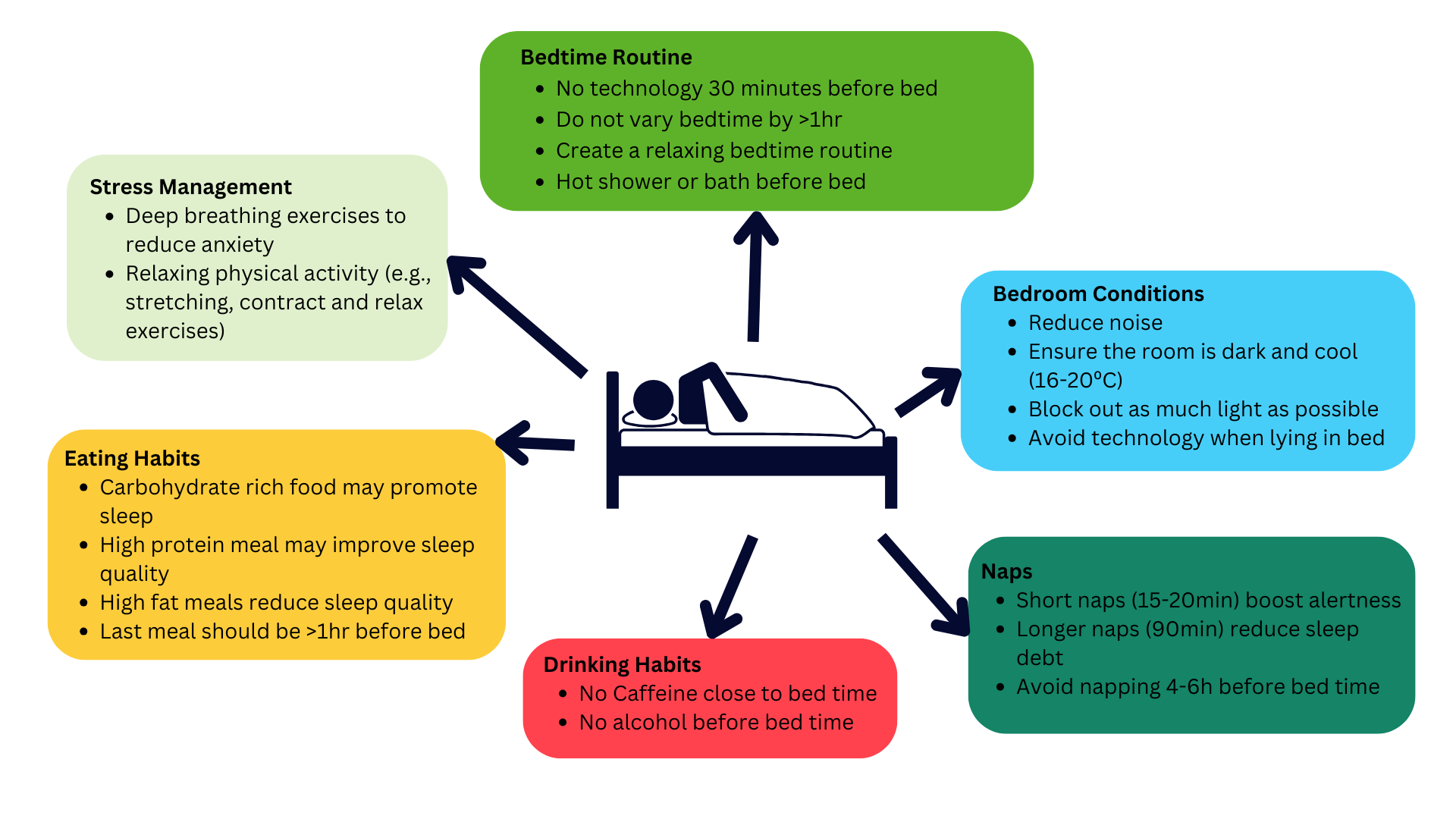
Engaging in regular physical activity is a game-changer for sleep. Even a brisk 30-minute walk can help reduce stress levels, making it easier for you to fall asleep. However, avoid intense workouts close to bedtime as they might keep you awake.
Consider a morning or early afternoon exercise routine. This not only boosts your mood but also tires out your body just enough to make falling asleep more natural. If you’re not a gym person, activities like yoga or dancing can be equally effective.
Balanced Diet
What you eat impacts how you sleep. Consuming a balanced diet rich in fruits, vegetables, and lean proteins can promote better sleep. Try to avoid heavy meals and caffeine close to bedtime as they can disrupt your sleep cycle.
Think about adding sleep-friendly foods to your diet. Items like almonds, bananas, and chamomile tea are known for their sleep-inducing properties. Small changes in your eating habits can make a big difference.
Mindfulness Techniques
Mindfulness can be a powerful tool against stress. Practicing techniques like meditation or deep breathing can calm your mind, making it easier to drift into deep sleep. These techniques can be done right before bed or whenever you feel stress creeping in.
Imagine lying in bed, focusing on your breath, and letting go of the day’s worries. This simple act can help clear your mind and prepare your body for restful sleep. You might find that even a few minutes of mindfulness daily can improve your sleep quality.
Which of these lifestyle adjustments speaks to you? Trying even one of these can set you on the path to better sleep. You’ll not only feel more rested but also more equipped to handle stress. Remember, the key is consistency and finding what works best for you. Sleep well!
Stress Management Techniques
Stress is a formidable adversary when it comes to getting a good night’s sleep. It can physically block the pathways that lead to deep, restorative sleep, leaving you feeling groggy and fatigued. Fortunately, there are effective stress management techniques that can help you regain control and achieve the peaceful slumber your body craves. From meditation and relaxation to cognitive behavioral strategies and time management skills, these approaches can transform your nightly routine and improve your overall well-being.
Meditation And Relaxation
Have you ever tried meditation as a tool for stress relief? It can be incredibly effective in calming the mind and reducing anxiety. Taking just a few minutes each day to focus on your breathing and clear your thoughts can work wonders.
Consider adding a simple relaxation routine before bedtime. Deep breathing exercises or listening to calming music can help signal to your body that it’s time to wind down. You might be surprised at how quickly your stress levels drop, paving the way for a more restful sleep.
Cognitive Behavioral Strategies
Ever noticed how your thoughts race just as your head hits the pillow? Cognitive behavioral strategies can help you manage those racing thoughts. Start by identifying any negative thoughts that are keeping you up at night.
Challenge these thoughts by asking yourself if they are based on reality or if they are just assumptions. Replace them with positive, affirming statements. Over time, this practice can change the way your brain responds to stress, making it easier to fall into a deep sleep.
Time Management Skills
Do you often feel like there’s never enough time in the day? Poor time management can lead to stress, which in turn affects your sleep. Consider organizing your day with a to-do list or a planner.
Prioritize tasks and allocate specific times to complete them. This can help reduce the feeling of being overwhelmed and improve your work-life balance. When you manage your time effectively, you create space for relaxation, making it easier to transition into a restful night.
Stress doesn’t have to be a permanent barrier to deep sleep. By incorporating these stress management techniques into your daily routine, you can pave the way for a more peaceful and rejuvenating sleep experience. What steps will you take today to manage your stress and improve your sleep?

Credit: www.instagram.com
Sleep Environment Optimization
Stress can be a silent saboteur of your deep sleep, but optimizing your sleep environment can be a powerful antidote. The right setting can significantly enhance your ability to drift into a restful slumber. Imagine stepping into a bedroom that feels like a sanctuary—calm, serene, and inviting. This transformation can be achieved by focusing on key elements like atmosphere, temperature, and lighting.
Creating A Sleep-inducing Atmosphere
Crafting a sleep-friendly atmosphere is essential for quality rest. Consider the colors and decor of your room. Soft, muted tones can promote tranquility, making it easier for your mind to relax.
Think about the sounds around you. A white noise machine or gentle nature sounds can drown out disruptive noises, helping you focus on calming thoughts. Have you ever noticed how a cozy room seems to embrace you, inviting you to let go of your day?
Keep your space tidy and clutter-free. A messy room can mirror a chaotic mind. Wouldn’t it be nice to step into a clean room that welcomes you with open arms?
Temperature And Lighting Control
Temperature is a crucial factor in sleep quality. Experts suggest keeping your room cool, around 60-67°F (15-19°C), to support your body’s natural drop in temperature during sleep. Have you ever woken up sweating or shivering? Adjusting your thermostat can prevent this.
Lighting also plays a big role. Ensure your room is dark, as exposure to light can interfere with melatonin production. Try blackout curtains or an eye mask to block out light. How does it feel to sleep in a pitch-black room, free from the glow of streetlights or electronics?
Consider using soft lighting an hour before bed. Dimming the lights can signal your brain that it’s time to wind down. Do you recall how relaxing a candle-lit dinner can be? Use that same principle to prepare your mind for sleep.
By optimizing your sleep environment, you can create a haven that supports deep, restorative sleep. Why not make small changes today to improve your night and, ultimately, your day?
Natural Remedies And Supplements
Struggling with sleep? You’re not alone. Stress can physically block your path to deep sleep, leaving you tossing and turning. But don’t worry—natural remedies and supplements might just be your ticket to a restful night. From the calming embrace of herbal teas and essential oils to the sleep-inducing power of melatonin and magnesium, these solutions offer practical ways to ease stress and enhance sleep quality. Let’s dive into some easy-to-adopt practices that could transform your nights and boost your overall well-being.
Herbal Teas And Essential Oils
Imagine sipping a warm cup of chamomile tea before bed. This simple act can significantly reduce stress and prepare your body for deep sleep. Chamomile is known for its calming properties that soothe your mind.
Lavender essential oil, when diffused in your room, can create a serene atmosphere. Its scent is proven to lower anxiety levels. You might find yourself drifting into sleep more effortlessly.
Have you ever tried a blend of valerian root tea? It’s been a personal favorite for many seeking stress relief and better sleep. Consider adding these natural remedies to your evening routine.
Melatonin And Magnesium
Melatonin is a hormone your body naturally produces to regulate sleep cycles. Stress can disrupt its production. Taking a melatonin supplement can help reset your sleep schedule, making it easier to fall asleep.
Magnesium is another powerful ally in the quest for better sleep. It helps relax muscles and reduce stress. A magnesium supplement might be just what your body needs to unwind after a long day.
Have you ever wondered why your sleep seems deeper after a day at the beach? Magnesium from the ocean air might be a factor. Could a magnesium-rich diet offer similar benefits?
These remedies are not magic pills but can be effective when used consistently. Why not give them a try and see how they work for you?
Seeking Professional Help
Stress can interfere with the body’s ability to achieve deep sleep. Cortisol, the stress hormone, disrupts the sleep cycle. This results in restless nights and tired mornings. Seeking professional help can guide you to better manage stress and improve sleep quality.
Stress can be a silent thief, robbing you of the deep sleep you desperately need. If stress is keeping you awake at night, seeking professional help can be a game-changer. It’s not just about getting advice; it’s about finding tailored strategies to reclaim your nights. Let’s explore some of the ways professional help can make a difference.Therapy And Counseling
Therapy isn’t just for major life crises. It can be incredibly effective for sleep-related issues too. Talking to a therapist can help you understand how stress is impacting your sleep. Cognitive Behavioral Therapy for Insomnia (CBT-I) is one approach that teaches new sleep habits and ways to reduce stress. Imagine having a toolbox full of techniques to calm your mind before bed. Have you ever tried keeping a sleep diary? It can reveal patterns and triggers you might not notice otherwise. A therapist can guide you through this process, offering insights that lead to better sleep.Medical Interventions
Sometimes, stress and sleep issues might need a medical approach. If you’ve tried other strategies without success, consulting a doctor can open new doors. Doctors can evaluate if there’s an underlying medical condition affecting your sleep. They might suggest medications as a temporary fix while you work on long-term stress management. Have you considered how lifestyle factors, like diet or exercise, might play a role? A healthcare provider can offer personalized recommendations, ensuring you’re not missing any key pieces in your sleep puzzle. Seeking professional help is a proactive step. It’s about taking control and finding solutions that work for you. Have you ever wondered what a good night’s sleep could do for your stress levels? With the right support, you just might find out.Frequently Asked Questions
How Does Stress Affect Deep Sleep?
Stress triggers the release of cortisol, a hormone that disrupts the sleep cycle. Elevated cortisol levels make it hard to achieve deep sleep. This can lead to restless nights and fatigue. Managing stress through relaxation techniques can help improve sleep quality.
Can Stress Cause Insomnia?
Yes, stress can cause insomnia by keeping the mind alert. The body’s stress response interferes with the ability to fall asleep. Chronic stress can lead to prolonged insomnia. Techniques like meditation and mindfulness can help reduce stress and improve sleep.
What Are Signs Of Stress Affecting Sleep?
Signs include difficulty falling asleep, frequent wake-ups, and feeling unrefreshed. Stress can also cause vivid dreams and nightmares. You may wake up too early or experience restless sleep. Recognizing these signs early can help manage stress and improve sleep quality.
How Can I Reduce Stress For Better Sleep?
Practice relaxation techniques like deep breathing and meditation. Establish a bedtime routine to signal your body it’s time to sleep. Avoid screens before bed and create a calming sleep environment. Regular exercise and a balanced diet also help reduce stress.
Conclusion
Stress hinders deep sleep by keeping your mind active. This continuous mental activity prevents relaxation. Lack of deep sleep affects health. It leads to fatigue and irritability. Stress management is crucial for restful nights. Simple techniques can help reduce stress.
Try meditation, exercise, or deep breathing. These practices calm the mind. They prepare your body for better sleep. Quality sleep improves mood and energy. Prioritize stress reduction for a healthier lifestyle. A peaceful mind supports deeper sleep. Remember, every effort counts.
Better sleep starts with managing stress effectively.
