

Choosing the right mattress can change the way you sleep—and how you feel every day. If you’re torn between a latex mattress and a memory foam mattress, you’re not alone.
Both promise comfort and support, but which one truly fits your needs? This guide will help you understand the key differences so you can make a choice that improves your sleep quality. Keep reading to discover which mattress could be your perfect match.
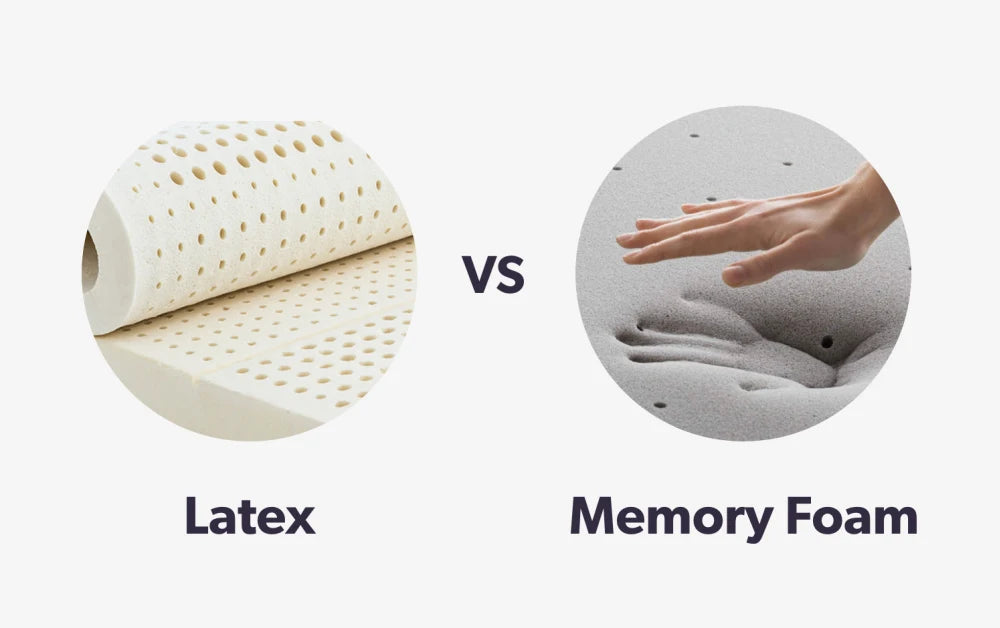
Credit: mattresskingok.com
Latex Mattress Benefits
Latex mattresses offer several benefits that appeal to many sleepers. They provide a comfortable and supportive sleeping surface. These mattresses often last longer than other types. Many people prefer latex for its natural feel and health advantages.
Below are some key benefits of choosing a latex mattress over other options.
Natural Materials And Eco-friendliness
Latex mattresses mostly use natural rubber from rubber trees. This makes them an eco-friendly choice. They contain fewer chemicals and synthetic materials. Many brands offer organic latex mattresses certified for safety. This appeals to those who want a greener home.
Durability And Longevity
Latex mattresses are known for their strong build. They resist sagging and indentations over time. Many last over 10 years without losing comfort. This durability makes them a good investment. They hold their shape better than many foam mattresses.
Breathability And Temperature Control
Latex has an open cell structure that allows air flow. This helps keep the mattress cool at night. It reduces heat build-up, making sleep more comfortable. This feature benefits hot sleepers especially. Many memory foam mattresses trap heat, but latex does not.
Hypoallergenic Properties
Latex naturally resists dust mites, mold, and mildew. It is a great choice for allergy sufferers. The mattress stays cleaner and fresher for longer. This reduces allergy symptoms and improves sleep quality. Some latex mattresses also come with hypoallergenic covers.
Memory Foam Mattress Benefits
Memory foam mattresses have grown popular for many good reasons. They offer comfort and support that help improve sleep quality. Many people choose memory foam because it adapts to the shape of the body. This makes it easier to rest and wake up feeling refreshed.
Pressure Relief And Body Contouring
Memory foam molds to the shape of your body. It spreads weight evenly across the mattress. This reduces pressure points on hips, shoulders, and back. Less pressure means less pain and better sleep. The mattress supports natural body curves well.
Motion Isolation
Memory foam absorbs movement effectively. When one person moves, the other feels little to no motion. This makes it ideal for couples with different sleep patterns. You can toss and turn without disturbing your partner’s rest.
Variety Of Firmness Options
Memory foam mattresses come in many firmness levels. From soft to firm, there is a choice for every sleeper. This variety helps people find the right mattress for their needs. It supports different sleeping positions and body types.
Temperature Sensitivity Advances
New memory foam mattresses include cooling technologies. They adjust to body heat and improve airflow. This helps regulate temperature through the night. You stay cool and comfortable, even in warm conditions.
Comfort And Support Comparison
Comfort and support are key factors when choosing a mattress. Both latex and memory foam offer unique benefits. Understanding their differences helps you pick the best mattress for restful sleep. This section compares comfort and support features of latex and memory foam mattresses.
Spinal Alignment And Support
Latex mattresses provide firm support that keeps the spine aligned. They maintain a natural curve without sinking too much. Memory foam molds to the body, which also helps align the spine. It relieves pressure points by contouring closely. Both types support the spine but in different ways.
Response To Movement
Latex responds quickly to movement. It bounces back almost instantly. This makes changing positions easy during sleep. Memory foam responds slowly. It contours deeply and holds shape longer. This can reduce disturbance from movement but may feel less bouncy.
Firmness Levels And Customization
Latex mattresses come in various firmness levels, from soft to extra firm. Some models allow customization by adding layers. Memory foam also offers a range of firmness options. It adapts to body heat, becoming softer over time. Both mattresses let you choose firmness that suits your needs.
Durability And Maintenance
Durability and maintenance play a big role in choosing the right mattress. A mattress that lasts longer saves money and hassle. It also stays comfortable over time. Understanding how latex and memory foam perform can help make a better choice. Both have strengths and weaknesses in these areas.
Lifespan Expectations
Latex mattresses often last 10 to 15 years. Natural latex is strong and keeps its shape well. Memory foam mattresses usually last 7 to 10 years. Over time, memory foam can soften and lose support. The lifespan depends on the mattress quality and use. Higher density foams tend to last longer.
Cleaning And Care Tips
Latex mattresses resist dust mites and allergens naturally. They need regular airing and occasional vacuuming. Avoid harsh chemicals on latex surfaces. Memory foam attracts dust and allergens more easily. Use a mattress protector to keep it clean. Vacuum foam gently and spot clean stains with mild soap.
Resistance To Sagging And Indentations
Latex holds shape well and resists sagging. It springs back quickly after pressure. Memory foam may develop indentations over time. Foam softens in areas with constant weight. Rotating the mattress can reduce sagging. Latex is better for those who want firm, lasting support.
Health And Allergy Considerations
Choosing the right mattress affects more than comfort. Health and allergies play a big role in sleep quality. Both latex and memory foam mattresses have unique features that impact allergy sufferers and sensitive sleepers. Understanding these differences helps find a mattress that supports good health.
Some mattresses release chemicals or cause allergic reactions. Knowing what to expect from latex and memory foam aids in making a safe choice for restful nights.
Allergy-friendly Features
Latex mattresses resist dust mites and mold naturally. This makes them good for people with allergies. The material is breathable, reducing moisture buildup. Memory foam can trap heat and moisture more easily. It may attract dust mites without proper covers or cleaning. Some memory foam mattresses have antibacterial treatments to help reduce allergens.
Off-gassing And Chemical Exposure
Memory foam often contains synthetic chemicals. These chemicals can release gases, called off-gassing, after unboxing. The smell may irritate sensitive noses or lungs. Latex mattresses, especially natural latex, have less off-gassing. They are made with fewer chemicals. Choosing natural or organic latex lowers chemical exposure risks.
Suitability For Sensitive Sleepers
Sensitive sleepers need mattresses free from irritants. Natural latex offers a hypoallergenic option with fewer allergens. Memory foam varies by brand and material quality. Some types contain flame retardants and other chemicals. Using covers and airing out new mattresses reduces sensitivity issues. Both mattress types can suit sensitive sleepers if chosen carefully.

Credit: www.turmerry.com
Price And Value Analysis
Choosing between a latex and memory foam mattress involves considering price and value. This section breaks down costs and benefits clearly. Understanding these factors helps you decide the best mattress for your budget and needs.
Initial Cost Comparison
Latex mattresses usually cost more upfront. Natural latex is expensive to produce. Memory foam mattresses tend to have lower starting prices. This makes memory foam more accessible to many buyers. Price ranges vary by mattress size and brand.
Long-term Investment
Latex mattresses often last longer than memory foam. They resist sagging and wear well. This durability means fewer replacements. Memory foam may need replacing sooner. Over time, latex may save more money despite higher initial costs.
Warranty And Trial Periods
Many mattress makers offer warranties and trial periods. Latex mattresses generally have longer warranties. Trial periods allow testing comfort risk-free. Memory foam brands also provide trials but often shorter. Check terms carefully before buying to avoid surprises.
Sleep Environment And Temperature
Creating the right sleep environment is key for a good night’s rest. Temperature plays a big role in comfort. Both latex and memory foam mattresses feel different in how they manage heat. Understanding their temperature traits helps you choose the best mattress for your needs.
Heat Retention Characteristics
Memory foam tends to trap heat. It hugs your body, which can make you feel warmer. The dense structure slows down air flow. This leads to less breathability and more heat buildup. Latex, on the other hand, has an open cell design. It allows better air movement. This helps keep the mattress cooler during the night.
Cooling Technologies
Many memory foam mattresses add cooling gel or other materials. These help draw heat away from the body. They improve airflow and surface temperature. Latex mattresses rely more on natural breathability. Some use ventilation holes or layers to boost cooling. Both types try to solve heat issues in different ways.
Suitability For Hot Sleepers
Hot sleepers often prefer latex mattresses. Latex stays cooler and feels more breathable. Memory foam can work if it includes cooling features. Still, it may not be as effective at heat release. Choosing a mattress that suits your body temperature helps you sleep deeper and wake refreshed.

Credit: thesleepcompany.in
Choosing The Right Mattress For You
Choosing the right mattress affects your sleep quality and overall health. A mattress must support your body well. It should match your daily habits and comfort needs. Latex and memory foam mattresses offer different benefits. Knowing your lifestyle and preferences helps find the best fit.
Testing mattresses and understanding return policies can save you from a poor choice. This guide helps you decide which mattress suits you best.
Lifestyle And Sleeping Position
Your sleep position influences mattress choice. Side sleepers need good pressure relief for hips and shoulders. Memory foam molds to your body, easing pressure points. Back sleepers need firm support for spinal alignment. Latex offers a balance of support and bounce. Stomach sleepers prefer a firmer mattress to avoid sinking.
Consider your daily activity, too. Active people may prefer the responsiveness of latex. Those with joint pain might find memory foam more soothing.
Personal Preferences And Needs
Comfort is personal. Some like the soft, contouring feel of memory foam. Others prefer the cooler, bouncier feel of latex. Allergies matter. Natural latex is resistant to dust mites and mold. Memory foam can retain heat but newer models improve airflow.
Think about durability. Latex generally lasts longer and resists sagging. Memory foam may soften over time. Budget also plays a role. Latex often costs more upfront but offers long-term value.
Trial And Return Policies
Trying a mattress at home is important. Many brands offer trial periods from 30 to 100 nights. Use this time to test comfort and support. Pay attention to return rules and restocking fees. A flexible return policy reduces risk.
Check if the company provides free returns or pick-up service. Knowing your options helps you buy with confidence and avoid waste.
Frequently Asked Questions
What Are The Main Differences Between Latex And Memory Foam Mattresses?
Latex mattresses offer natural bounce and breathability, while memory foam conforms closely to your body. Latex is cooler, more durable, and hypoallergenic. Memory foam provides pressure relief and motion isolation but can retain heat. Both vary in firmness and support, catering to different sleep preferences.
Which Mattress Is Better For Back Pain, Latex Or Memory Foam?
Memory foam is often better for back pain as it contours to spinal curves, providing targeted support. Latex also supports the spine but offers firmer, more resilient support. Choosing depends on your pain type and firmness preference. Consult a specialist for personalized advice.
Are Latex Mattresses More Durable Than Memory Foam?
Yes, latex mattresses generally last longer, often 10-12 years or more. Memory foam mattresses typically last 7-10 years. Latex resists sagging and retains shape better due to its natural elasticity. Durability depends on quality, usage, and maintenance.
Do Latex Mattresses Sleep Cooler Than Memory Foam?
Latex mattresses usually sleep cooler because they have an open-cell structure that promotes airflow. Memory foam tends to trap heat due to its dense composition. For hot sleepers, latex offers better temperature regulation and comfort throughout the night.
Conclusion
Choosing between latex and memory foam depends on your needs. Latex offers a bouncy feel and great breathability. Memory foam hugs your body and relieves pressure points. Both mattresses support good sleep and comfort. Consider your sleeping style and budget carefully.
Test each type if possible before buying. Sleep well, and wake up refreshed every day.
